Learn more about Shared Futures in Ghana
In Northern Ghana, young people and faith leaders work together across religious lines to prevent conflict, strengthen livelihoods and build peaceful, resilient communities before extremism can take root.
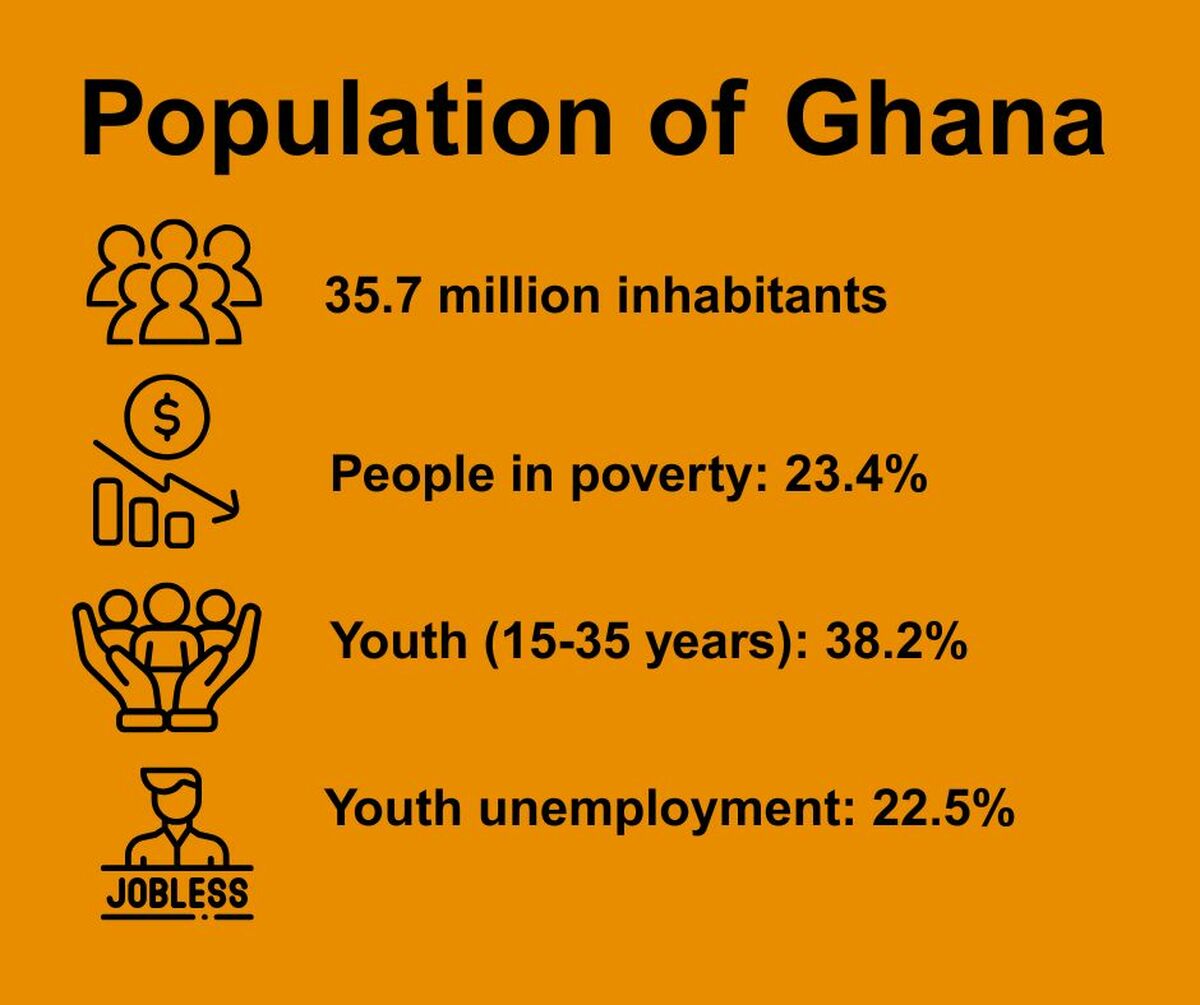
Youth at risk in the poor North
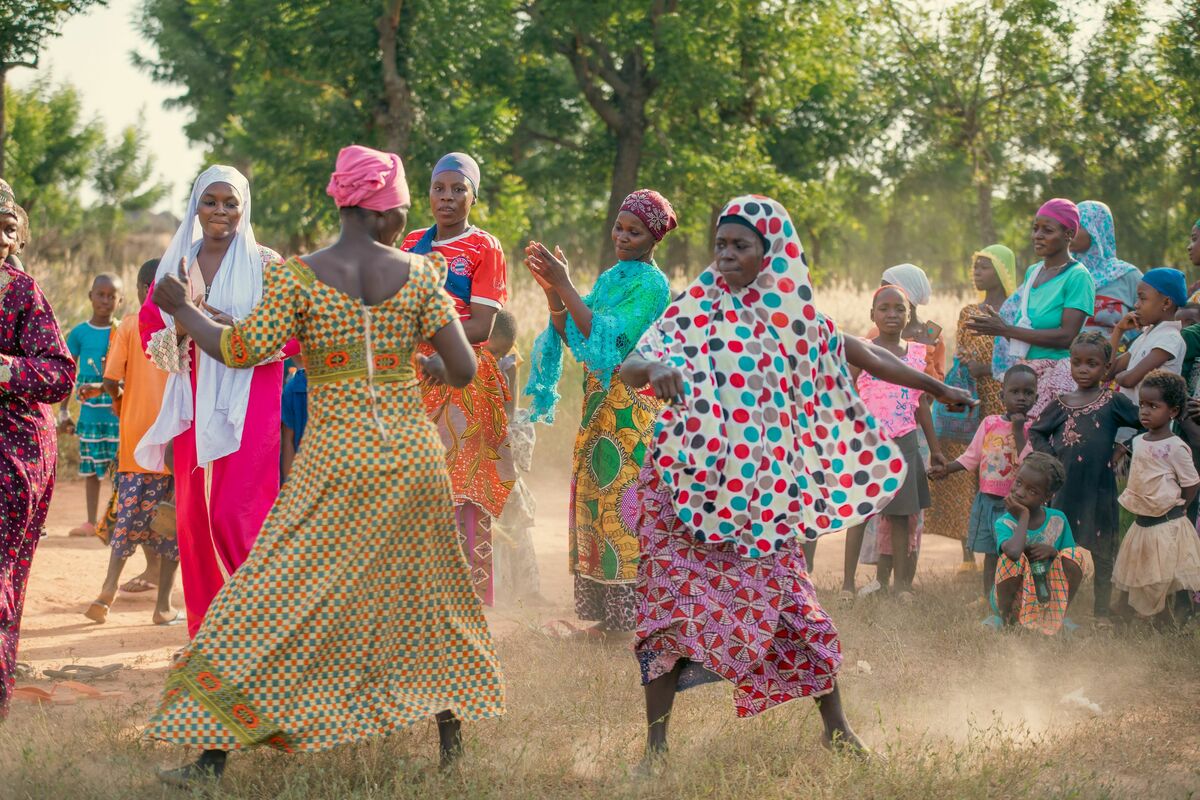
Ghana is widely seen as a peaceful country, where people of different religions have lived side by side for many years. At the same time Northern Ghana faces persistent challenges related to poverty, youth unemployment and conflicts. These conflicts are rooted in land disputes, chieftaincy issues, and ethnic tensions, but religious differences are increasingly used to fuel polarization.
Northern Ghana borders countries such as Burkina Faso and Mali, where violent extremism has grown rapidly. Although Ghana has not experienced terrorist attacks, there are growing concerns about recruitment, misinformation and spillover effects, particularly among unemployed and vulnerable youth. The region is religiously diverse, with Muslim, Christian and African Traditional communities living side by side, often in fragile coexistence.
Young people are especially at risk. With limited economic opportunities and little access to personal development, youth can become susceptible to manipulation and radical narratives. At the same time, religious leaders often lack sufficient training and platforms to address tensions constructively.
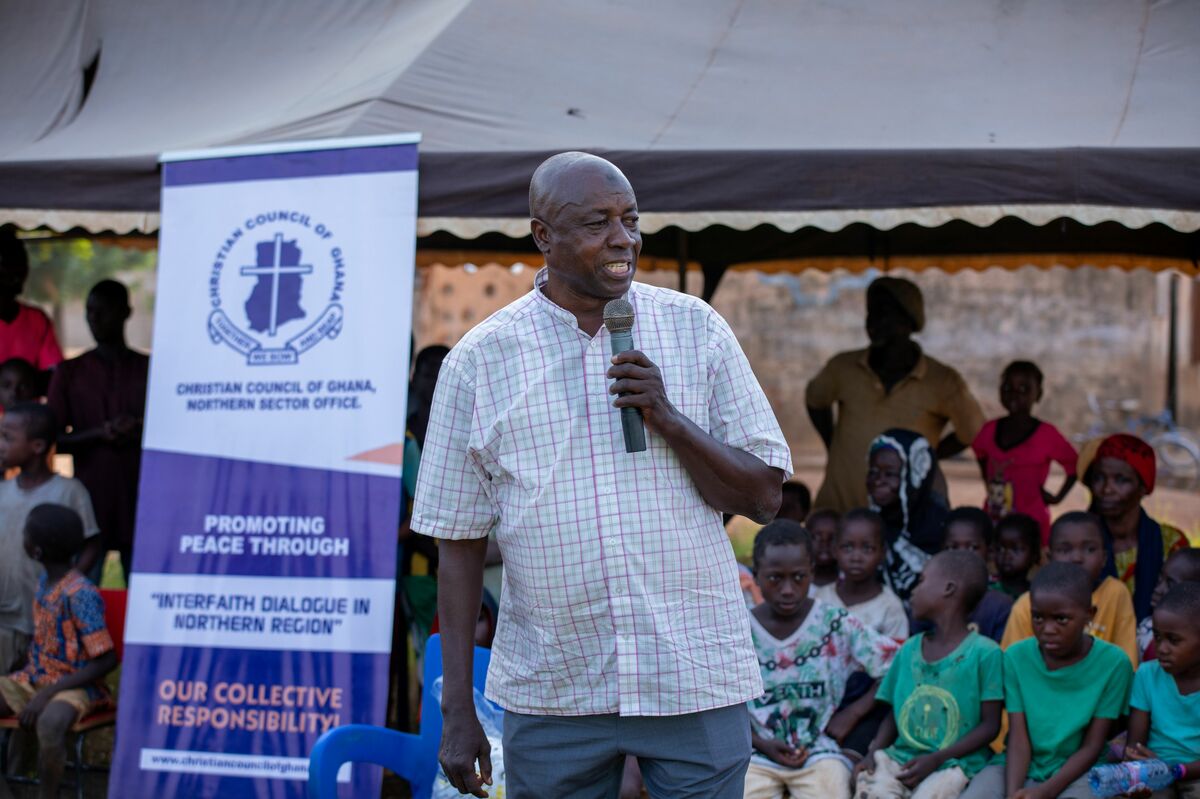
Shared Futures in Ghana
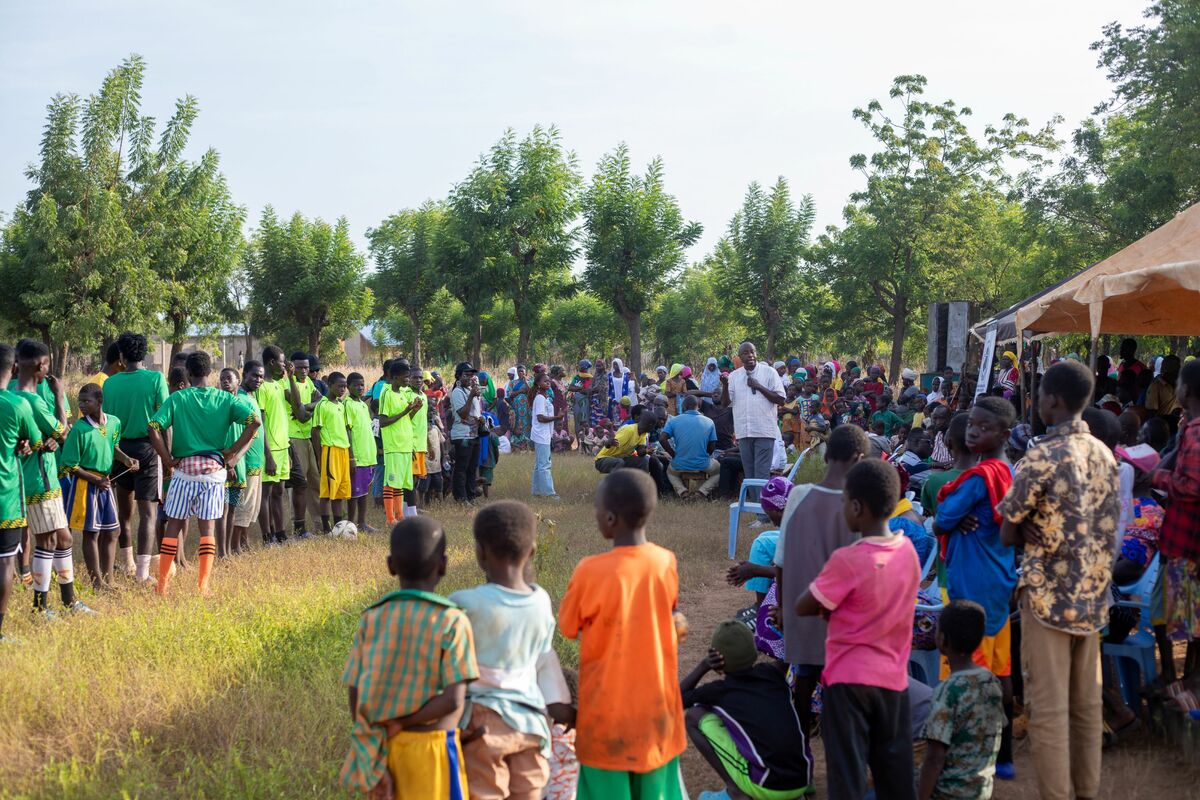 Shared Futures Ghana responds to this context by strengthening interfaith cooperation, empowering youth economically and socially, and equipping religious leaders and communities to actively prevent conflict and build peace together. The Shared Futures Ghana programme was initiated by Kerk in Actie and is implemented since 2025 by an interfaith coalition consisting of the Presbyterian Lay Training Centre (PLTC) Tamale, the Christian Council of Ghana – Northern Sector and the Centre for Interfaith Studies and Engagement in Africa (CISEA). The programme aims to economically uplift 210 youth of different faith per year, enhance social cohesion and prevent religious extremism. The programme works along three pathways: a) communities, b) duty bearers and c) advocacy to share its insights. Each pathway has a specific set of activities which contributes towards attaining an impact to have a just and resilient society, upholding freedom of belief and fostering interfaith cohesion through socio-economic cooperation.
Socio-economic training of youth
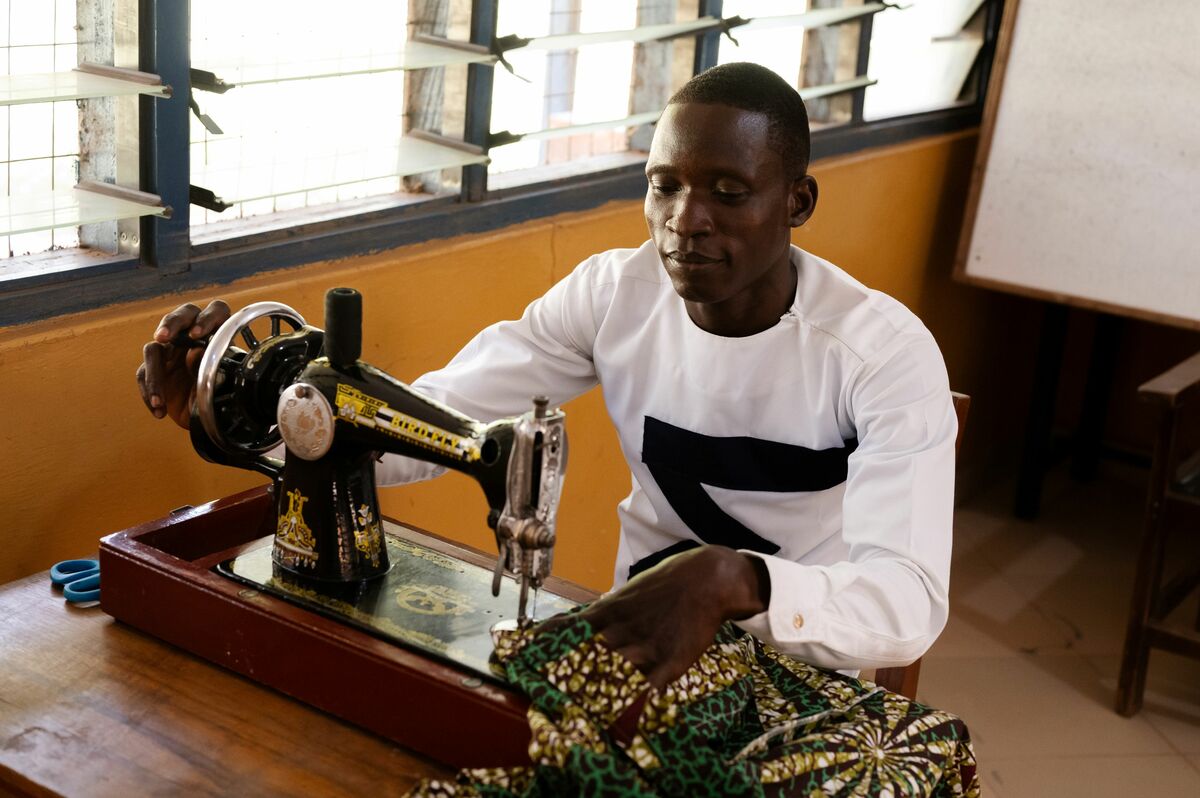 Shared Futures Ghana equips young people from different faith backgrounds with entrepreneurial, vocational and life skills. In each participating community youth peace ambassadors are trained in economic empowerment and resilience in peacebuilding. In turn, they organize economic empowerment for other youth in their communities. Additionally, 60 youth enter a multi-year training program focused on learning a new skill and starting a business. By combining livelihood training with peacebuilding, young people become less vulnerable to radicalization and more confident as agents of social change in their communities.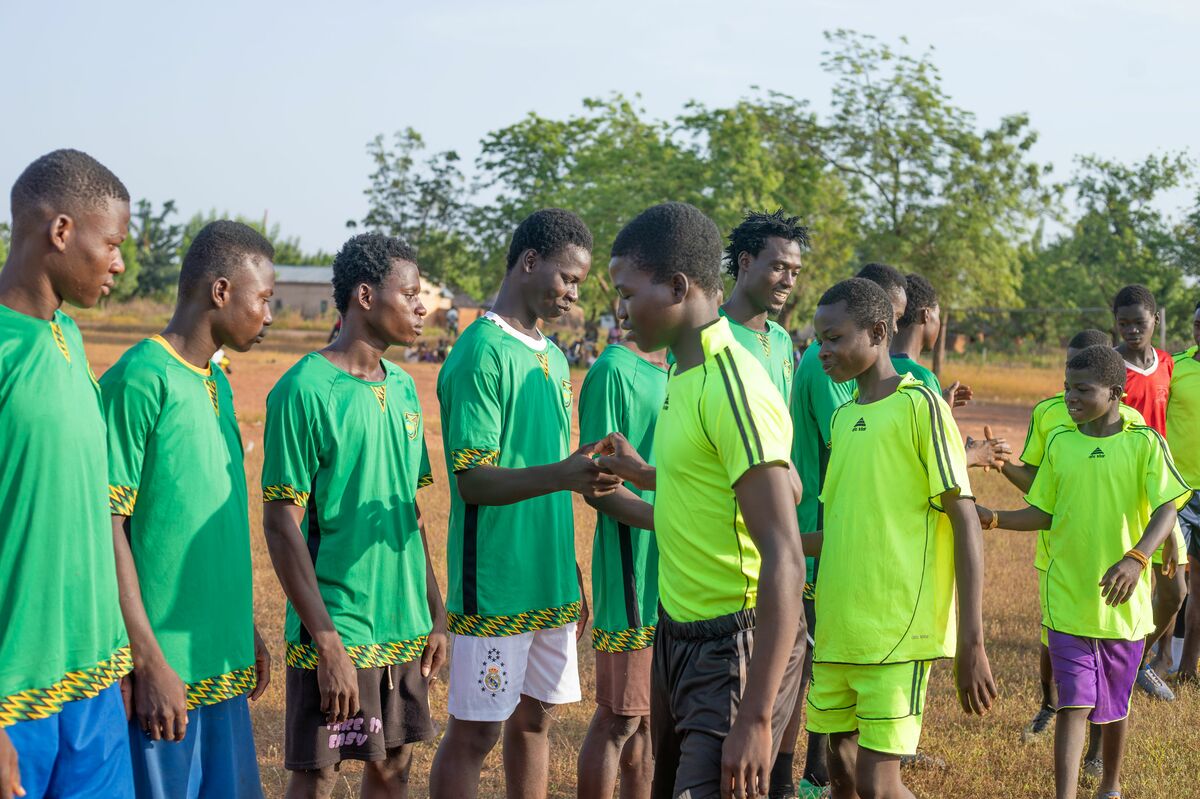
Increase of social cohesion and interfaith relations
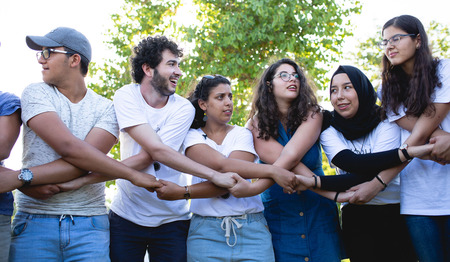
Through interfaith training, joint community actions and dialogue forums, fear and mistrust between religious groups are reduced. Youth and community leaders learn to turn religious diversity into a source of strength. Joint activities such as clean‑up exercises, sports and peace campaigns build relationships and foster mutual understanding at grassroots level.
Duty bearers committed to peaceful coexistence
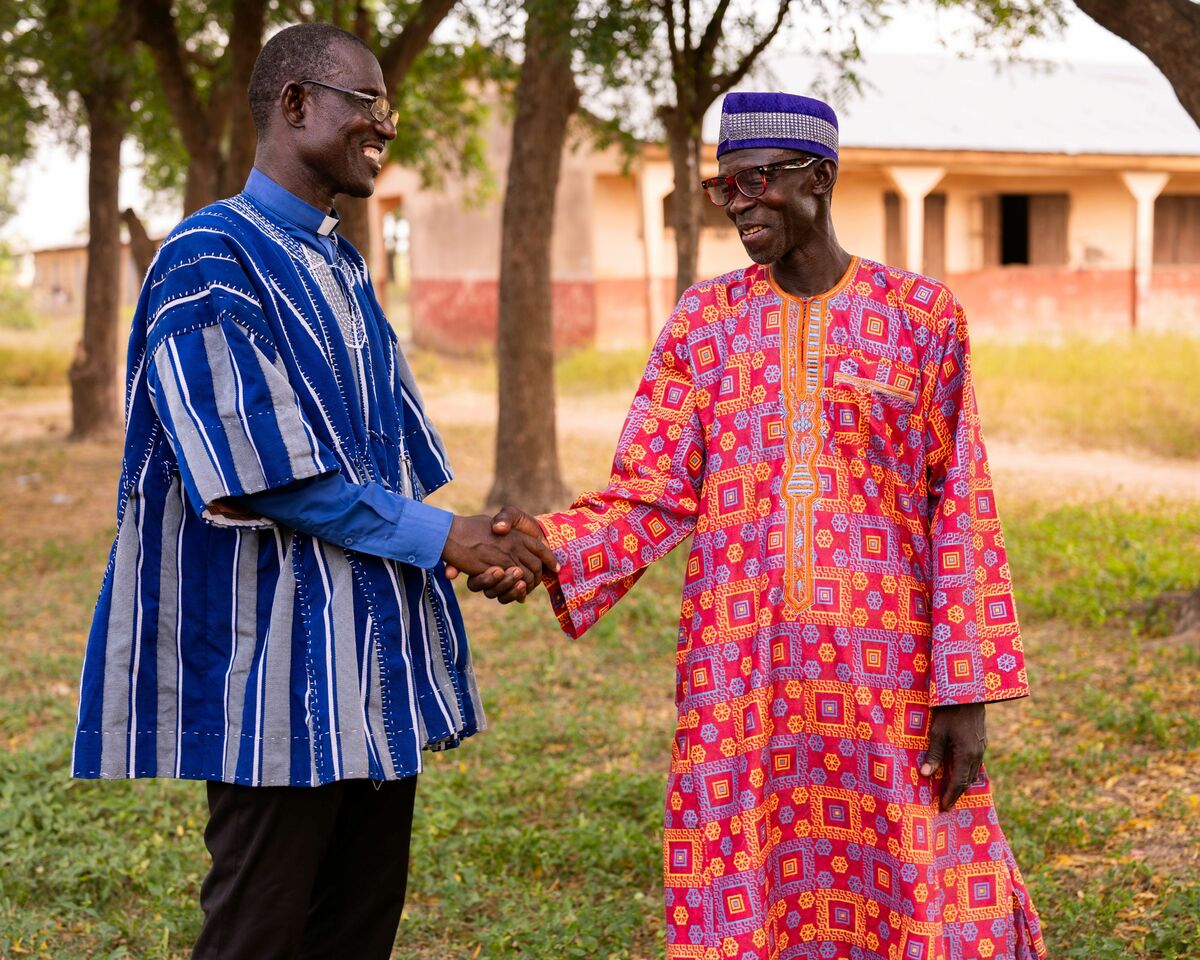 Religious leaders, chiefs, youth leaders and local authorities are actively engaged and part of peace clubs in the region. A regional stakeholder conference brings actors together with media present to further the message of peace. By publicly committing to peace and tolerance, they become visible role models and first responders in situations of tension.
Lobby and advocacy efforts for peace and justice
Shared Futures Ghana uses radio, television, print and social media to reach wider society with messages of tolerance, peaceful coexistence and shared responsibility. Stories, articles and public discussions amplify local voices and ensure that interfaith peacebuilding contributes to national and international conversations.
Changes systematically measured
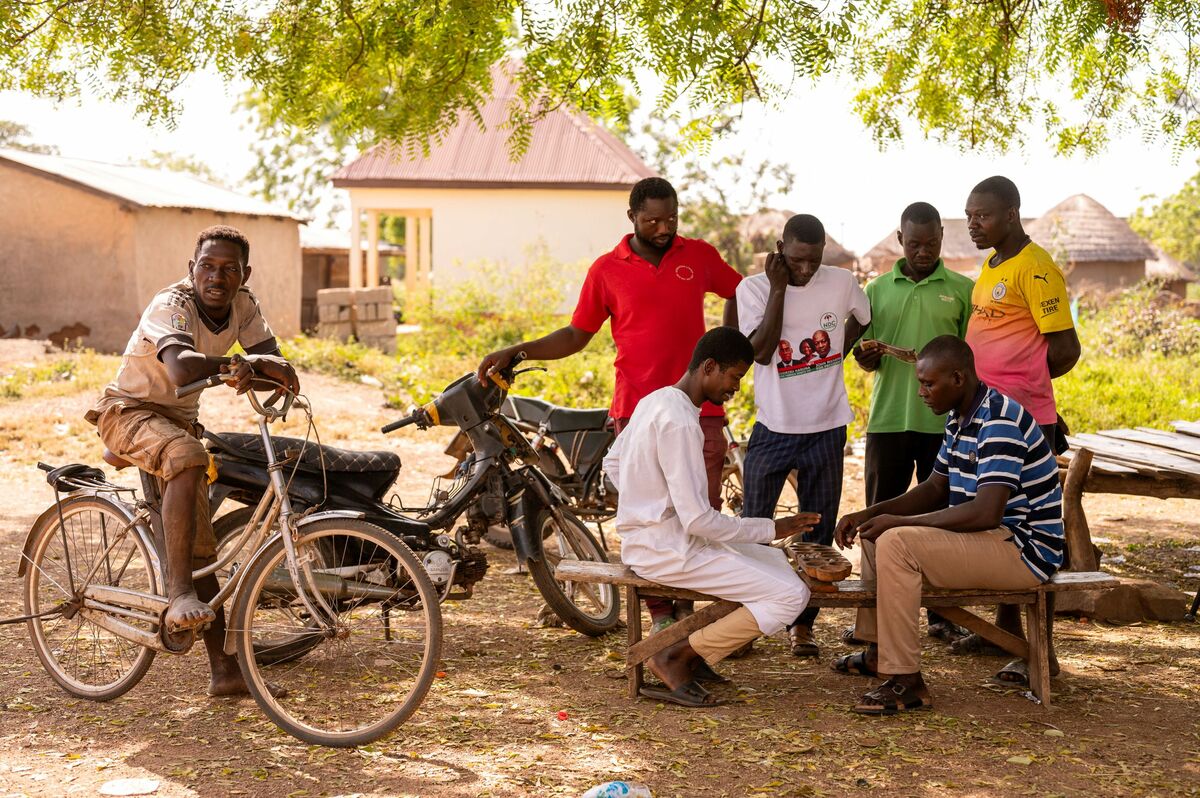 Baseline studies, continuous monitoring and outcome evaluations ensure that progress is measured systematically. This evidence-based approach strengthens programme quality, accountability and learning, and helps improve peacebuilding strategies across the wider Shared Futures network.
The Shared Futures programme is developed by Kerk in Actie and active in Pakistan, Kenya, Egypt, Cameroon, Ghana and the Netherlands and will start in 2026 in Bangladesh.